

PFAS, often called “forever chemicals”, are a large group of man-made chemicals that can find their way into water supplies. Puretec states that carbon filters have been shown to effectively reduce PFAS in water, with a reverse osmosis (RO) membrane providing even greater levels of reduction. Start by checking your water authority’s published water quality information and, as Puretec recommends, have your water independently tested for PFAS in an accredited laboratory.
What are PFAS?
According to Puretec, PFAS is the collective term for approximately 14,000 man-made chemicals, including PFOA and PFOS. They have been commonly used in non-stick cooking items, water-resistant clothing and firefighting foams, and have been building up in the environment for years. For health information about PFAS, rely on your state health department and local water authority – this guide covers filtration options only.
How water filters reduce PFAS
- Activated carbon – Puretec says carbon filters have been shown to effectively reduce PFAS. Regular replacement of the carbon filter is critical to keep it working at its most effective.
- Reverse osmosis – RO forces water through an extremely thin membrane that separates chemicals from the water and flushes impurities to drain. Puretec describes this as providing even greater reduction than carbon alone.
Puretec’s three levels of PFAS coverage
Puretec’s PFAS application flyer sets out three levels of protection for mains water:
- Good coverage – whole-house carbon. The FilterWall F5 is a 3-stage system with a premium 20″ carbon filter that aids the reduction of exposure to PFAS, as well as reducing chlorine, bad taste and odour, and supplies filtered water to every tap in your home.
- Great coverage – whole-house plus under-sink. Pairing the FilterWall F5 with a PureMix Z7 under-sink filter gives the water further exposure to carbon, leading to further reduction at your drinking tap.
- Puretec’s highest-coverage option – whole-house plus reverse osmosis. Pairing the FilterWall F5 with the RO270 under-sink RO system. Puretec states the RO270 reduces up to 96% of all dissolved impurities, heavy metals, salts, viruses, bacteria, cysts, fluoride, nitrate, chlorine, taste, odour and chemicals.
Other Puretec systems described as reducing PFAS include the WH2-55 whole-house filter (reduces fine particles, chlorine and chemicals “including PFAS”) and the in-wall FilterWall IM2.
An important note on PFAS claims
We want to be clear about what is and isn’t known. Puretec notes that while carbon filtration media is a commonly accepted method of reducing PFAS in water, it is only in the initial stages of third-party testing. Because this is a relatively new issue, Puretec does not yet have data on the exact reduction rate of these products; based on independent studies, it believes the products above are the most suitable options in its range for reducing PFAS. Puretec recommends having your water independently tested for PFAS in an accredited laboratory. Note that Puretec’s mail-in water analysis kit does not list PFAS among its tested parameters.
Installation: connection to your water supply must be carried out by a licensed plumber, and any hard-wired electrical work by a licensed electrician.
Recommended products
- Puretec FilterWall F5 – whole-house 3-stage system with a 20″ carbon stage; Puretec’s “good coverage” option for PFAS.
- Puretec PureMix Z7 – under-sink carbon filter to pair with a whole-house system for further reduction at the drinking tap.
- Puretec RO270 reverse osmosis system – Puretec’s highest-coverage drinking water option when paired with a whole-house filter.
- Puretec WH2-55 whole-house filter – dual-stage mains filter Puretec describes as reducing chemicals including PFAS.
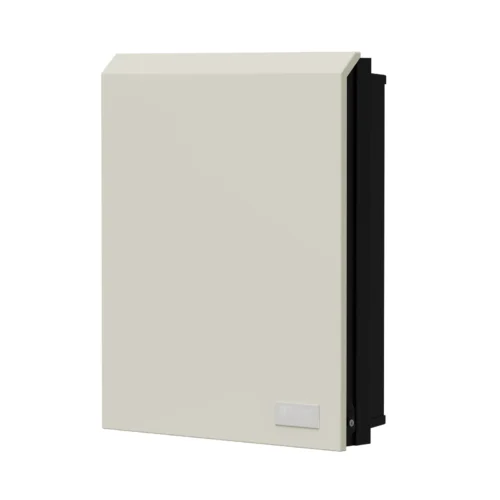
- Puretec FilterWall IM2 – semi-recessed in-wall whole-house filter for new builds; reduces PFAS chemicals, chlorine and sediment.
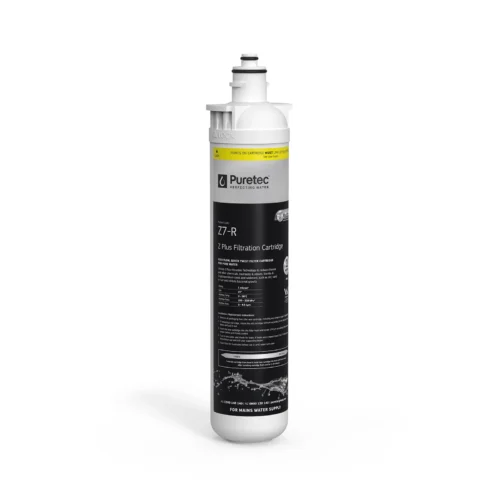
- Puretec Z7-R replacement cartridge – keep the carbon fresh – Puretec says regular replacement is critical.
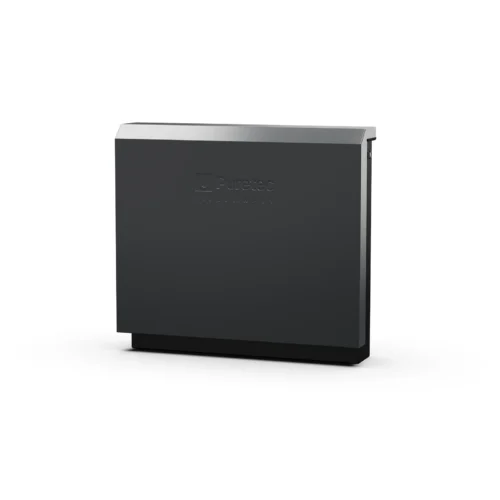
Puretec FilterWall F5 3 Stage Whole House Water Filter
Original price was: $4,660.88.$3,738.00Current price is: $3,738.00. inc GST Select options This product has multiple variants. The options may be chosen on the product pagePuretec Puremix Z7 Premium Under Sink In-Line Filter
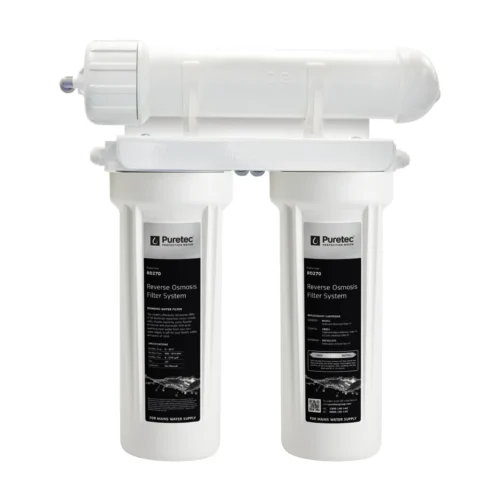
Original price was: $456.67.$399.00Current price is: $399.00. inc GST Add to cartPuretec RO270 High Loop Designer Faucet With Reverse Osmosis Dual Filter
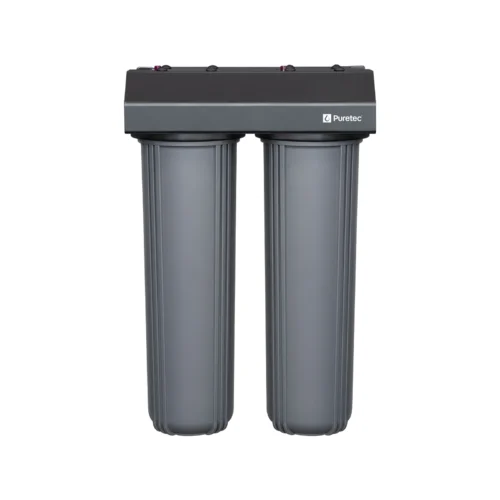
Original price was: $1,096.04.$899.00Current price is: $899.00. inc GST Add to cartPuretec WH2-55 Whole House Dual System 20″ Maxiplus
Original price was: $1,183.49.$979.00Current price is: $979.00. inc GST Add to cartPuretec Filterwall IM2 In-Wall Whole House Filter
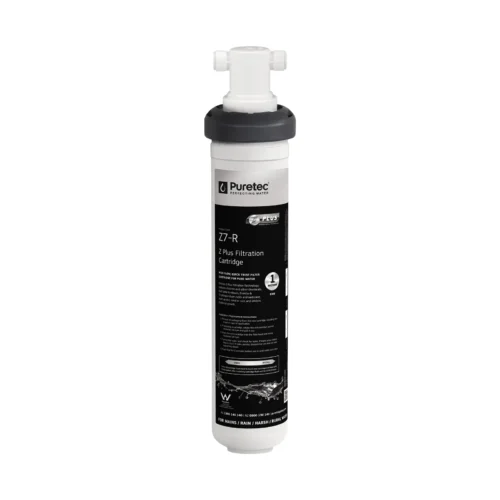
Price range: $2,449.00 through $2,699.00 inc GST Select options This product has multiple variants. The options may be chosen on the product pagePuretec Z7-R Replacement Cartridge To Suit Puremix Z7
Original price was: $205.28.$139.00Current price is: $139.00. inc GST Add to cart
Frequently asked questions
Can a water filter remove all PFAS?
No supplier we stock claims complete removal. Puretec says carbon has been shown to effectively reduce PFAS and reverse osmosis provides even greater reduction, but it does not yet have data on exact reduction rates.
Should I choose a whole-house or under-sink filter for PFAS?
Puretec suggests a whole-house carbon system such as the FilterWall F5 for good coverage, adding an under-sink PureMix Z7 for further reduction, or adding the RO270 reverse osmosis system for its highest level of coverage at the drinking tap.
How do I find out if my water contains PFAS?
Check the water quality information published by your water authority. Puretec recommends having your water independently tested for PFAS in an accredited laboratory.
How often should I replace the carbon cartridge?
Puretec says regular replacement of the carbon filter is critical to maintain its effectiveness. Follow the replacement guidance in your system’s user guide – for example, Puretec rates the PureMix Z7 at a 63,500 litre capacity.
Related guides: Chlorine taste and smell, Under-sink vs whole-house filters, Fluoride filtering options.
Questions? Call or text 0447 203 775 or email [email protected] and we will help you choose.